CultivationAgenda, Cultivation, and Campus Divide

Agenda, Cultivation, and Campus Divide

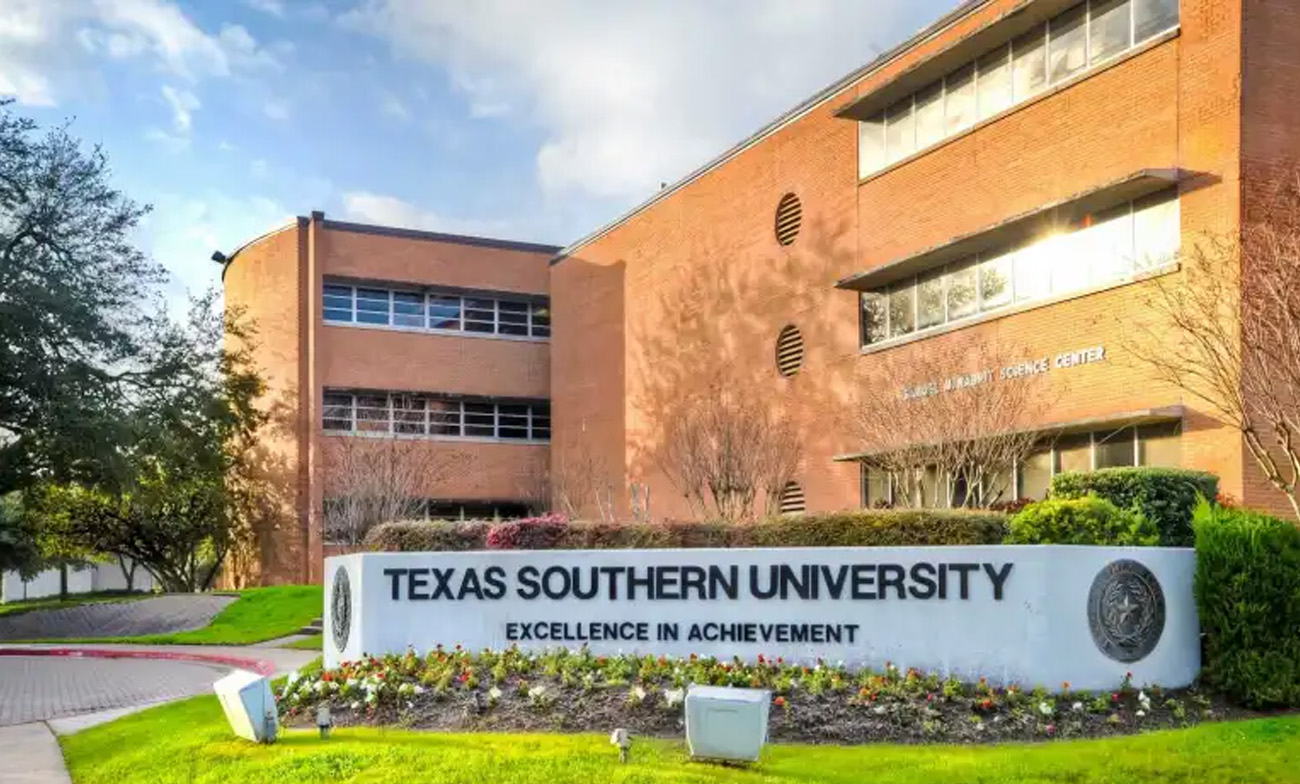
In 2025, Texas Southern University (TSU) dominated Houston headlines with a frequency far exceeding that of its neighboring institutions. Financial audits, governance disputes, and safety concerns have been relentlessly amplified, creating a dominant public narrative of institutional instability. Yet this framing becomes deeply problematic when viewed alongside serious—and sometimes more severe—incidents at the University of Houston (UH) and Rice University that have drawn comparatively restrained coverage. The disparity reveals more about how media agenda-setting and cultivation shape perception, rather than campus realities.

Agenda-setting theory posits that media outlets shape what the public considers important by selecting which stories to emphasize and repeat. TSU’s challenges—particularly a state audit citing weaknesses in financial controls and procurement—became a sustained media event. The repetition mattered. Each follow-up story reinforced the notion of chronic dysfunction, rarely contextualized within the broader landscape of higher education governance challenges across Texas.

At UH, however, 2025 unfolded with a troubling pattern of campus crime that directly affected students’ safety. There were armed robberies, sexual assaults, and repeated incidents near parking garages and residence halls. Students organized protests, demanding accountability and protection. The university responded with multimillion-dollar security upgrades and emergency policy changes. Yet, although these developments were reported, they lacked the sustained framing that would have placed UH under prolonged scrutiny. The stories appeared episodically, not cumulatively—treated as unfortunate events rather than symptoms of systemic concern.

Rice University’s case is even more illustrative of selective framing. As one of the nation’s most prestigious private institutions, Rice experienced incidents in 2024–2025 involving sexual assault allegations, student mental health crises, and controversies around campus policing and disciplinary transparency. These matters surfaced briefly, often framed with careful language emphasizing “ongoing investigations” or “institutional response,” before quickly fading from the news cycle. Rarely did coverage escalate into broader questions about campus culture, governance, or safety at Rice.

Legislators cite media narratives when debating funding, oversight, and intervention.

This is where cultivation theory deepens the analysis. Cultivation suggests that repeated media portrayals shape audiences’ long-term perceptions of reality. Over time, TSU becomes cultivated in the public imagination as a “problem institution,” while UH is seen as struggling episodically, and Rice as fundamentally stable—even when evidence complicates that narrative. The difference is not necessarily the severity of incidents, but the tone, frequency, and persistence of coverage.

The ethical stakes are high. TSU is a historically Black university, long positioned within a media ecosystem that often scrutinizes Black institutions more harshly while extending reputational grace to predominantly white or elite campuses. When TSU’s missteps are framed as emblematic, but similar or worse issues at UH and Rice are treated as anomalies, journalism risks reinforcing structural bias rather than challenging it.

This imbalance also affects policy and public trust. Legislators cite media narratives when debating funding, oversight, and intervention. Donors and parents absorb cultivated impressions when deciding where to invest or enroll. Students internalize these frames, which shape their morale and identity. Media coverage, therefore, does not merely report reality—it actively participates in constructing institutional hierarchies of legitimacy.

None of this absolves TSU of accountability. Financial transparency, safety, and governance matter everywhere. But ethical journalism demands proportionality and context. If UH’s recurring violent incidents warrant campus-wide security overhauls, they warrant sustained investigative attention. If Rice’s prestige insulates it from deeper scrutiny, that insulation itself deserves examination.

In Houston’s crowded higher-education landscape, the question is not whether TSU has problems—it does, as do its peers. The question is why the media chooses to cultivate one institution as perpetually embattled while allowing others to manage crises quietly, behind reputational buffers. Until newsrooms examine their own agenda-setting power and cultivation effects, the public will continue to consume a distorted narrative—one that reveals more about media priorities than the true state of Houston’s universities.

Anthony Ogbo, PhD
Latest posts by Anthony Ogbo, PhD (see all)

Leave a comment:

Your email address will not be published. Required fields are marked *

Top

The Media Myth

Deconstructing the narratives that construct our world — “Media Myths” explores common misconceptions about how the media shapes public perception, truth, and bias. It critically examines misinformation, representation, and audience influence, promoting media literacy and encouraging audiences to question narratives and think critically about modern communication channels. A Master’s Project Submitted in Partial Fulfillment of the Requirements for the Master of Arts in Professional Communication and Digital Media (PCDM)

PROJECT AND SUPERVISION

Anthony O. Ogbo, PhD |  Project Study Researcher

Chris C. Ulasi, PhD | Project Supervision Committee Chair

Morgan D. Kirby, PhD  | Project Supervision Committee Member

Vincent Powell, MFA | Project Supervision Committee Member

SOCIAL MEDIA